Millions of websites are built every year.
Most of them fail.
Not because they look bad.But because they don’t work.
They don’t generate leads.They don’t rank on Google.They don’t support business growth.
And the worst part?
Most business owners don’t know why.
When a website doesn’t perform, the first reaction is:
“We need a better design.”
So the business redesigns the website.
New colors.New layout.New visuals.
And after a few months?
Nothing changes.
Because the problem was never design.
It was the lack of a system.
A failed website is not one that looks outdated.
A failed website is one that:
If your website is not producing results,it is not an asset.
It is a cost.
Let’s break it down clearly.
Most websites are built randomly.
Google cannot understand the site.Users cannot follow the flow.
Result:
👉 No rankings👉 No conversions
This is why structure is the foundation of👉 Corporate Web Design
A website without SEO is invisible.
It doesn’t matter how good it looks.
If it cannot be found, it cannot perform.
Common issues:
Learn more in👉 On-Page SEO Optimization
Even if traffic exists, most websites fail here.
Because they don’t guide users.
There is:
Visitors come… and leave.
Nothing happens.
This is exactly what👉 Conversion-Focused Web Design solves.
Many websites are designed like digital posters.
They look modern.They feel “clean.”
But they do nothing.
Because:
👉 Design without strategy is decoration.
Not performance.
Content is often:
Or worse:
Copied.
Without content depth:
This is why👉 SEO Strategy & Content Planning is critical.
Most websites ignore this completely.
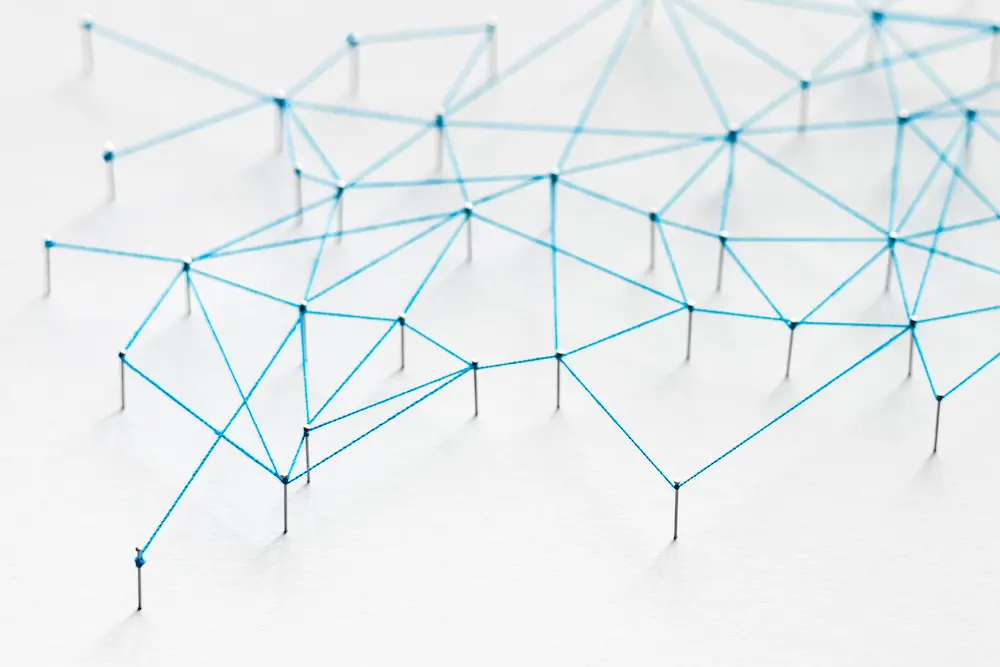
Pages exist… but they are disconnected.
Which means:
A website without internal linking is not a system.
It is just a collection of pages.
Many businesses treat websites as a one-time project.
Build it.Publish it.Forget it.
But high-performing websites:
Without this, performance stagnates.
This is where most businesses lose money.
They invest in:
But because the system is broken:
👉 Traffic comes👉 No conversion happens
This creates a silent loss.
Month after month.
A website needs three things working together:
Clear architecture and hierarchy
SEO and content strategy
User flow and action guidance
This is the same system we apply in👉 Corporate Web Design
The mindset must change:
❌ Build a website✅ Build a system
A system:
That’s the difference between:
👉 A website that exists👉 A website that performs